
By 2026, artificial intelligence is no longer a “cool new tool.” It is baked into how work actually gets done.
A few years ago, businesses were experimenting, testing chatbots, playing with automation, and seeing what stuck. Now AI sits underneath decision-making, team workflows, marketing, customer service, and even leadership strategy. It is part of the operating system.
Sundar Pichai, CEO of Google and Alphabet, put it plainly when he said AI will be “more profound than electricity or fire,” meaning it changes systems, not just tools. That idea shows up across industry research. McKinsey & Company reports that the biggest problem is no longer access to AI, but whether leaders and teams know how to use it well.
In 2026, AI strategy is business strategy. The real question is not “Should we use AI?” but “Where does it actually help us grow?” These 10 predictions focus on what that looks like in real, everyday business life, especially for small and growing companies.
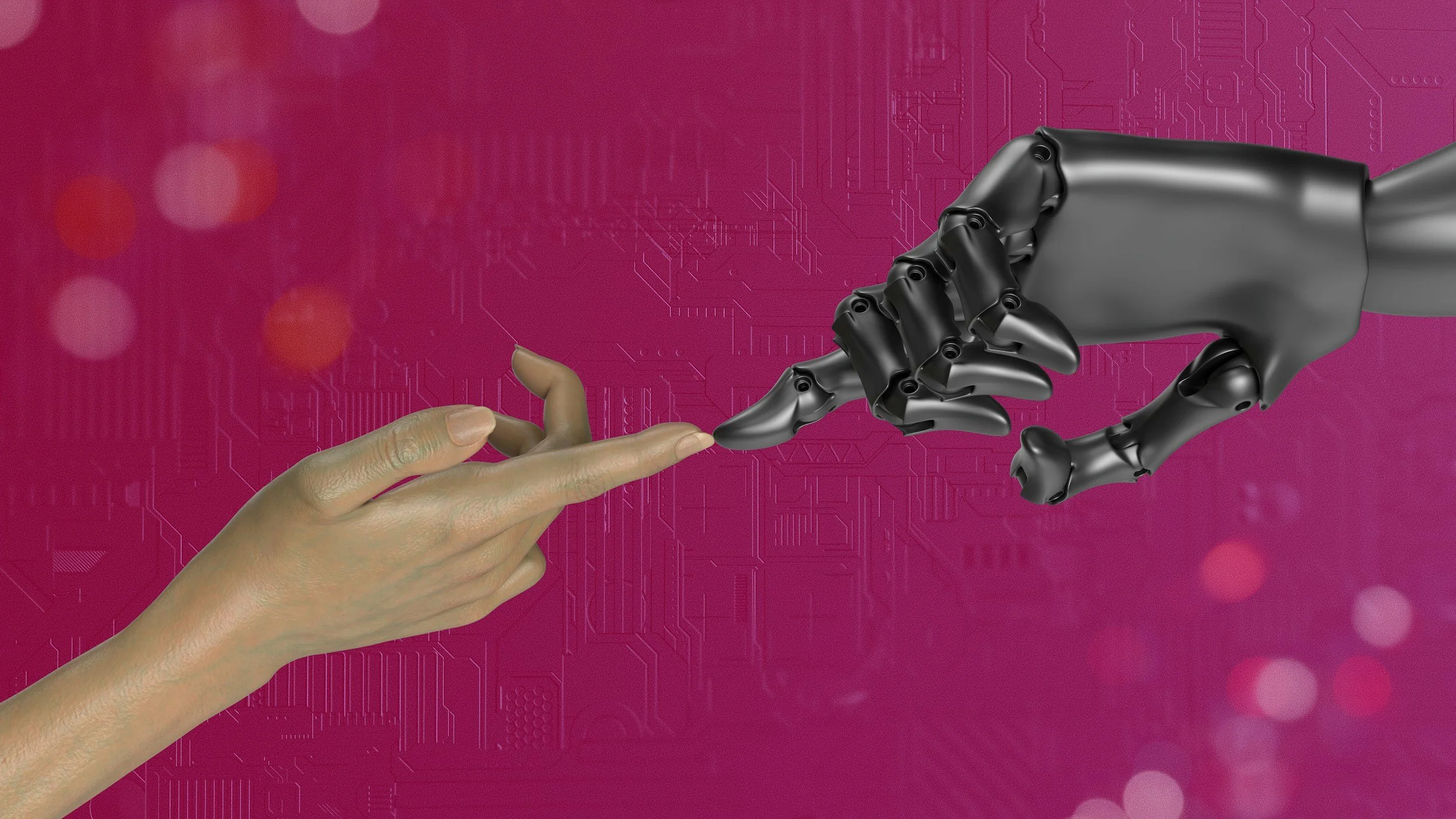
1. AI Agents Become Digital Teammates
AI is no longer just something a business clicks on, it works alongside the team.
In 2026, AI agents can manage multi-step tasks with guidance. For a small business, this could look like an AI that schedules meetings, follows up with leads, updates the CRM, and flags hot prospects without constant supervision. A retail brand might use an AI agent to track inventory, reorder products, and alert the owner before items sell out.
Instead of replacing people, AI handles the busywork so humans can focus on decisions, creativity, and relationships.
2. AI Moves From “Testing” to “Built-In”
The era of random AI experiments is officially over.
In 2026, businesses stop “playing around” with AI and start using it where it actually saves time and money. AI is no longer something a team tries once and forgets about. It becomes part of the daily workflow. For a service-based business, this could mean AI automatically sending invoices, tracking expenses, forecasting cash flow, and drafting client proposals before the owner even asks. For a nonprofit, AI might analyze donor behavior, flag who is most likely to give again, and help personalize outreach instead of blasting the same email to everyone. The big shift is this: AI stops being a side project and starts working quietly in the background, helping the business run smoother every single day. No hype, no experimenting, just results.
AI stops being a side project and starts being part of how the business runs every day.
3. Search Stops Working the Way It Used To
Search is no longer just about ranking on Google.
As AI search summaries become the norm, businesses must think about how they show up inside AI answers. For example, a local bakery is not just trying to rank first, it wants AI tools to recommend it when someone asks, “Where can I get a birthday cake near me?”
This pushes businesses to create clearer content, better reviews, and stronger brand signals across the internet.
4. Personalization Becomes the Default
Generic marketing starts to feel outdated. AI allows even small teams to personalize emails, product recommendations, and website experiences. A fitness coach might send tailored workout plans based on client data. An online shop might recommend products based on browsing behavior in real time. Customers begin to expect brands to “remember” them and speak directly to their needs.
5. Human Skills Matter More, Not Less
AI gets smarter, but human judgment still matters. Creativity, empathy, and decision-making become more valuable, not less. Businesses that invest in communication, leadership, and problem-solving skills stand out. AI can suggest options, but humans choose direction. The strongest teams know when to trust the tool and when to trust their instincts.
6. Jobs and Workflows Get Rewritten
Work stops looking the way it used to. AI reduces the time needed for repetitive tasks, which forces companies to rethink roles. A marketing manager might spend less time building reports and more time shaping strategy. A founder might work fewer hours but make better decisions. Productivity becomes about impact, not hours logged.
7. Small Businesses Choose Smarter AI Tools
Small businesses stop using one-size-fits-all AI. Instead, they invest in tools designed for their industry and data needs. A law firm uses closed-system AI for contracts. A healthcare provider uses AI that protects patient data. A creative agency uses AI trained on its brand voice. This shift gives small businesses more control and confidence.
8. Ethical AI Builds Trust
How a business uses AI starts to matter to customers. Privacy, transparency, and fairness become competitive advantages. Brands that explain how data is used and protect customer information earn trust. Ethical AI policies start influencing partnerships, hiring, and client relationships. Trust becomes part of the brand.
9. Startups Multiply Fast
AI lowers the barrier to building new companies. In 2026, more startups launch with smaller teams and faster timelines. A founder can use AI for product design, marketing, customer support, and analytics from day one. This makes markets more crowded and more innovative at the same time. Choosing the right partners and tools becomes critical.
10. AI Shapes Competitive Advantage
AI stops being about efficiency and starts shaping strategy. Businesses that use AI to guide pricing, expansion, and customer experience pull ahead. Those that ignore it fall behind. Competitive advantage comes from how well AI insights are paired with human decision-making. The smartest companies treat AI like a strategic advisor, not just software.
Leading With Intent
The future of work in 2026 is not about handing everything over to machines. It is about choosing where AI helps people do their best work.
Businesses that grow will be the ones that integrate AI thoughtfully, train their teams well, and stay clear on their values. When AI supports humans instead of replacing them, companies build stronger cultures, smarter systems, and more sustainable growth.
The future is not automated leadership. It is intentional leadership, powered by AI.